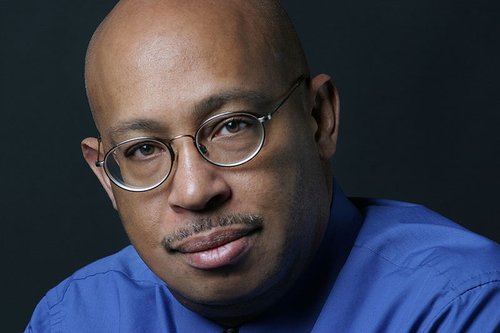
The Life, Legacy, and Fellowship of Michel du Cille
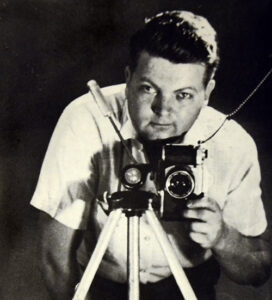
Photojournalist Michel du Cille drew praise from colleagues around the globe for his deep moral compass and sense of social justice. His three Pulitzer Prizes are a fitting tribute to the stunning quality of his work. The recipient of this fellowship is selected to pursue visual work for the betterment of humankind in the spirit of du Cille.
Early Life and Career
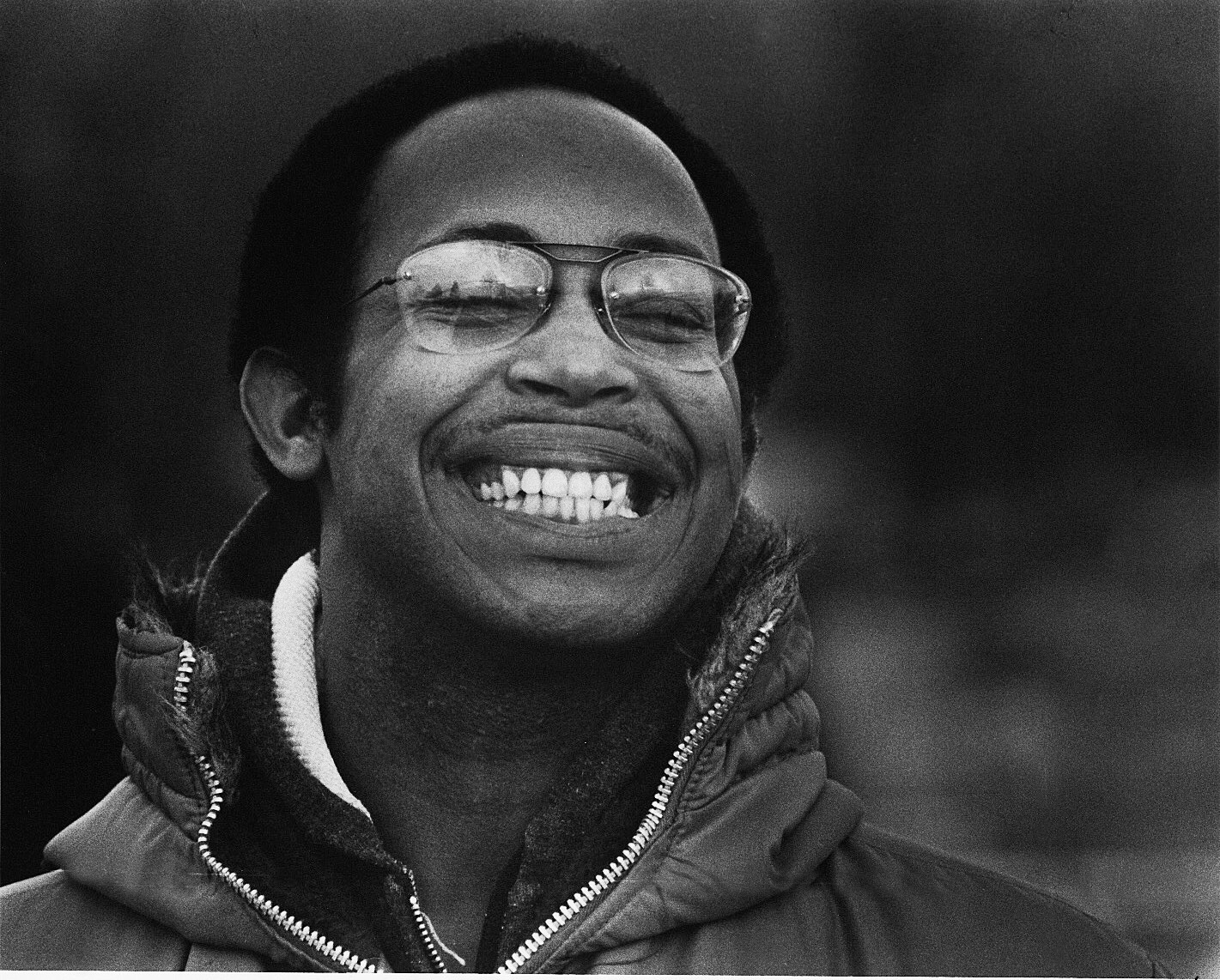
Three-time Pulitzer Prize winner Michel du Cille got his first glimpse of journalism when he tagged along with his father to the newspaper where he worked in Gainesville, Georgia. He gravitated to the photo department and accompanied a staff photographer on assignments. The high school junior was hooked.
He signed up for a photo course at a local recreation center, learning to build a pinhole camera and use a Speed Graphic. At 16, he began making pictures for the Gainesville Times, launching his long and remarkable career.
For the soft-spoken native of Kingston, Jamaica, photojournalism became the heart and soul of his life. His images gave voice to the world’s most vulnerable and served to “comfort the afflicted and afflict the comfortable,” as he put it.
Career and Achievements
Du Cille’s work took him to places few dared tread. He came under fire in Taliban-controlled territory in Afghanistan and braved brutal warlords in war-torn Sierra Leone. On his final assignment, he was documenting the ravages of the Ebola epidemic in Liberia.
In 1980, he joined the Miami Herald as an intern. Though he arrived without a camera—his had been broken in a bicycle accident—photo editor Joe Elbert handed him a beat-up Nikon and sent him to cover riots in Miami. Forty-eight hours later, du Cille returned with extraordinary images that earned him a staff job in 1981.
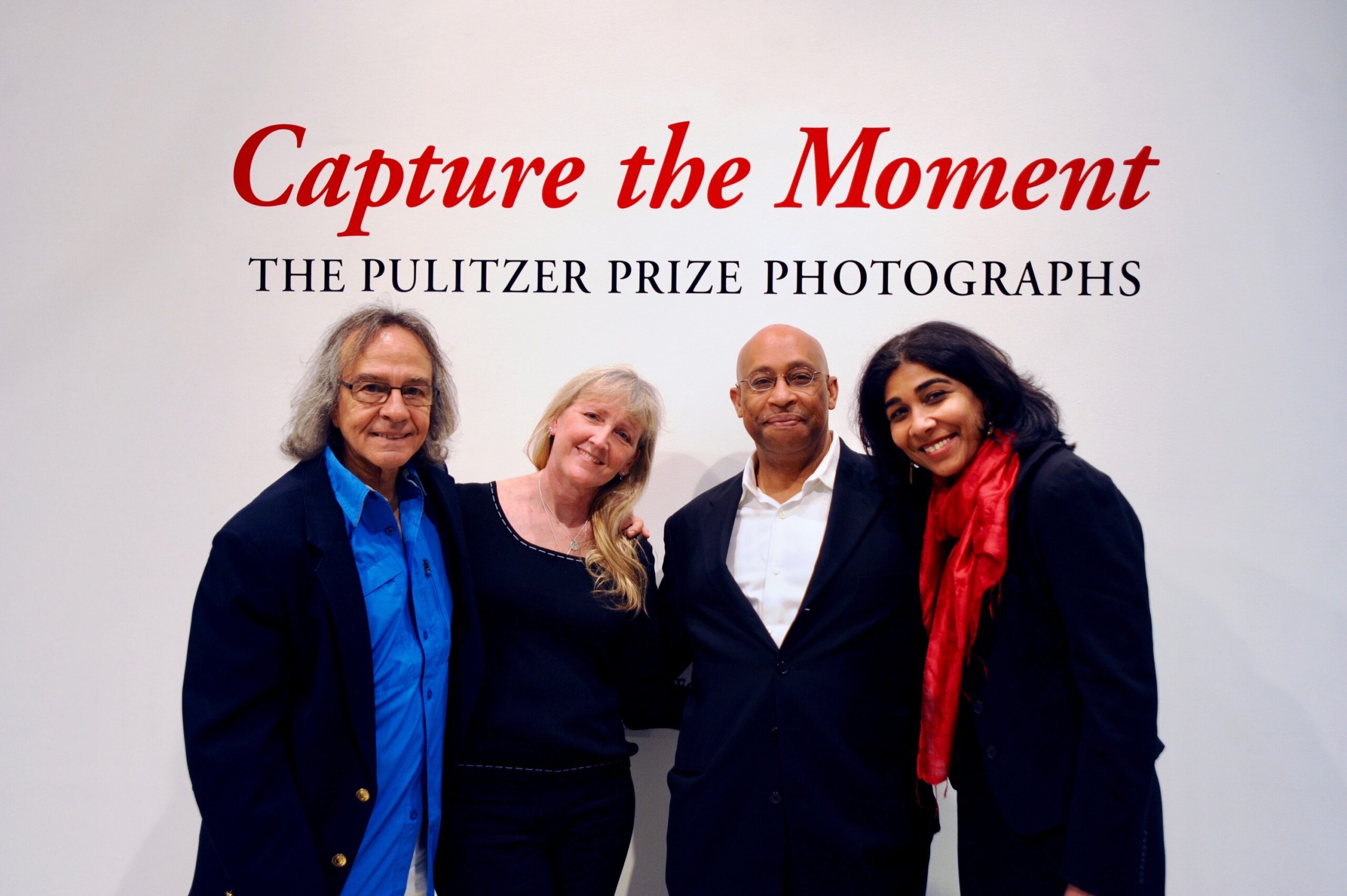
In 1986, he and fellow photographer Carol Guzy shared a Pulitzer Prize for documenting the aftermath of a deadly volcano eruption in Colombia. Two years later, he won his second Pulitzer at the Herald for a series on crack cocaine addicts in Miami. He spent weeks building trust in the community before taking a single photograph, telling editors: “First comes trust, then the work.”
In 1988, Elbert moved to the Washington Post and recruited du Cille. There, in 2008, he won his third Pulitzer, shared with two reporters, for exposing the mistreatment of wounded veterans at Walter Reed Hospital. The series sparked a national outcry and reforms by federal officials.
While at the Post, du Cille married colleague Nikki Kahn, a photographer who shared his passion for the profession. In 2011, Kahn, Guzy, and Ricky Carioti won a Pulitzer for coverage of Haiti’s devastating earthquake, with du Cille serving as photo editor.
Final Assignment
On December 11, 2014, the journalism community was stunned to learn that Michelangelo Everard du Cille, 58, had suffered a heart attack while hiking back from a remote Liberian village. It was his third trip to the Ebola hot zone. “He insisted on going back. He felt it was his mission,” said his wife, Nikki Kahn.
Before his final trip, du Cille wrote in News Photographer Magazine: “I believe that the world must see the horrible and dehumanizing effects of Ebola. The story must be told; so, one moves around with tender care, gingerly, without extreme intrusion.”
After his death, Tom Frieden, then-director of the Centers for Disease Control and Prevention, wrote to the Post: “Words cannot begin to explain what an impact his recent work in West Africa has had on the world’s response to the Ebola epidemic.” Michel had accomplished his goal.
The Fellowship
The Michel du Cille Fellowship, created by the National Press Photographers Foundation (NPPF), celebrates Michel’s life and mission by supporting photojournalists in the pursuit of consequential projects. Funded by donations from colleagues in the journalism community and NPPF photo auctions, the fellowship provides $15,000 to a recipient whose work reflects du Cille’s values of integrity, humanity, and truth-telling.
Remembering Michel
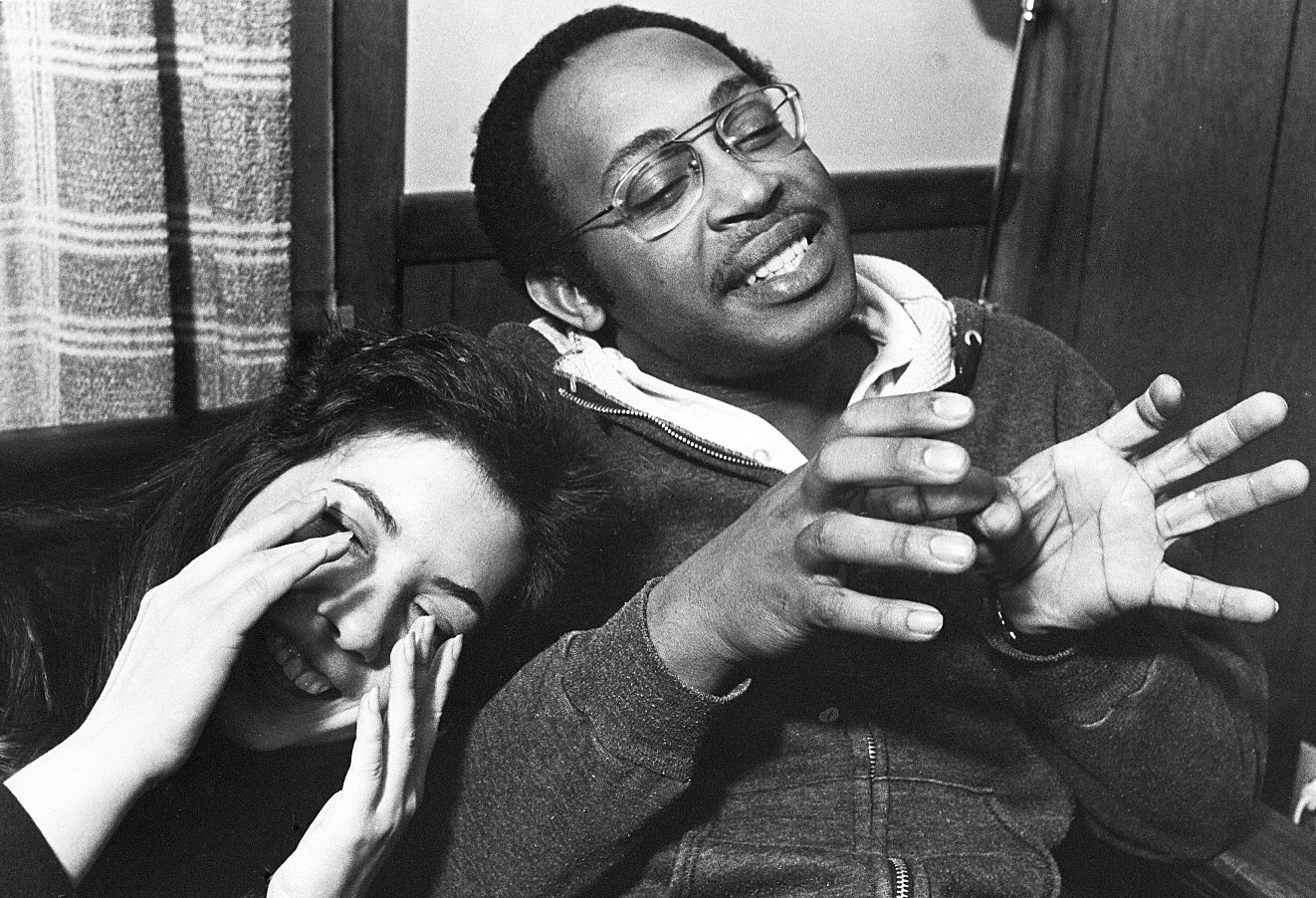
Du Cille’s friends and colleagues fondly recall his infectious laugh, generosity, and love of cooking. While sharing an apartment in the 1980s with fellow young journalists, he became the “chef of the house,” often preparing his signature Jamaican peas and rice in portions large enough to feed an island nation.
He also loved classic western movies, particularly John Wayne films, which he would binge-watch as a way to unwind and decompress.
Colleagues describe him as gentle, kind, and deeply committed to his work. “Michel would refer you to his pictures. That was his legacy. At the end of the day, he’d want to be remembered just for being a good person,” said Kahn.
Professional Service
Beyond his reporting, du Cille served on the boards of NPPF and the National Press Photographers Association (NPPA), sat on the Pulitzer Prize jury for photography, and judged Pictures of the Year International. He earned his undergraduate degree from Indiana University and a master’s degree in journalism from Ohio University.
“At the time he died, Michel was doing some of the best and most courageous work of his life. Those of us who had seen or talked with him recently saw a tremendous vitality in him,” said Dean Rutz, a long-time friend and college roommate.